
What Is a Court Docket in Harford County
A docket is the court's index of everything that happens in a case. Each line marks an event, with a date and a short label. Filings, motions, service of papers, hearing dates, orders, and the final disposition all show as docket entries. The docket lets you follow a case from start to finish without reading every page.
A docket differs from the full case file. The docket is the list; the file holds the actual documents. In Harford County, the Circuit Court and the District Court of Maryland each keep their own dockets. A District Court docket leans toward traffic, landlord-tenant, and misdemeanor events. A Circuit Court docket carries felony, civil, and family events, plus appeals from the District Court.
Harford County sits in Maryland's Third Judicial Circuit. When a District Court case carries a jury demand or moves up on appeal, a fresh docket opens in the Circuit Court. So one dispute can leave a trail on two dockets. Reading both gives the full timeline of a case.
How to Find Harford County Dockets Online
Two official tools cover most needs. The District Court Harford page links a weekly docket that refreshes each evening and lists cases set for the coming week. The Maryland Judiciary Case Search shows docket events for both Circuit and District Court cases. The weekly docket is best for what is scheduled soon; Case Search is best for a specific case by name or number.
- Open the District Court Harford directory and click the weekly docket link.
- For a named case, open Maryland Case Search instead.
- Pick the court and enter a last name or the case number.
- Open the case to read the docket events and hearing dates.
The District Court page warns that the docket is refreshed nightly and that last-minute changes happen. Questions about a listed case go to the Clerk's Office.
On March 14, 2026, the Judiciary merged Case Search and Record Search into one Case Search & Record Portal. The public view keeps the same docket access, while attorneys and case parties gain deeper document access. Estate dockets run on their own track, so probate matters use the Register of Wills Estate Search instead of Case Search.
Note: Dockets change overnight, so check the listing again the day before a hearing and bring the case number with you.
Sample Harford County Docket Entry
Each docket line follows a simple shape. It names the date, the type of event, and who filed it. Some systems link the document; the public summary usually does not. The table shows what a typical Harford docket entry holds.
| Field | What It Shows |
|---|---|
| Entry Date | The day the event was filed or set. |
| Event Type | Filing, motion, hearing, order, or disposition. |
| Party Filing | Which side filed the document, such as plaintiff, defendant, or State. |
| Document Link | A link to the document where the system allows it; often gated to the file. |
Courts That Publish Dockets in Harford County
Not every court posts a full public docket online. The District Court weekly docket is the most open source for upcoming hearings. The Circuit Court shares events through Case Search rather than a single posted calendar. Estate matters run through the Orphans' Court and the Register of Wills, which keep their own schedules. Federal and appellate dockets sit elsewhere.
- District Court of Maryland, Harford - weekly docket, refreshed each evening.
- Circuit Court for Harford County - case events through Maryland Case Search.
- Orphans' Court - estate and probate matters scheduled with the Register of Wills.
- Federal and appellate courts - dockets through PACER or a free mirror.
For federal and appellate dockets, a free option helps when PACER fees are a concern.
CourtListener mirrors many federal and appellate dockets and opinions at no cost.
Use CourtListener for federal District of Maryland and Fourth Circuit dockets that touch Harford County cases. For state trial dockets, the Judiciary tools stay the better source.
Docket vs. Full Case Record
The docket and the full record serve different jobs. The docket tracks progress at a glance. The full record holds the motions, exhibits, and orders you need for legal review or evidence. The comparison below sums up the split.
| Docket | Full Case Record | |
|---|---|---|
| Format | List of entries | Full documents |
| Access | Often online and free | May require a fee or a visit |
| Use | Track case progress | Legal review, evidence |
Family and Estate Matters on the Docket
Dockets are not only for crime and traffic. Family and estate matters generate scheduled events too, and Maryland law sets how each one proceeds. Estate events show on the Orphans' Court and Register of Wills calendar, while marriage and family events tie to the Circuit Court.
Small estates and regular estates move on different tracks, and the statutes spell out the line between them.
Maryland's small-estate provisions set the lower threshold and the simpler path.
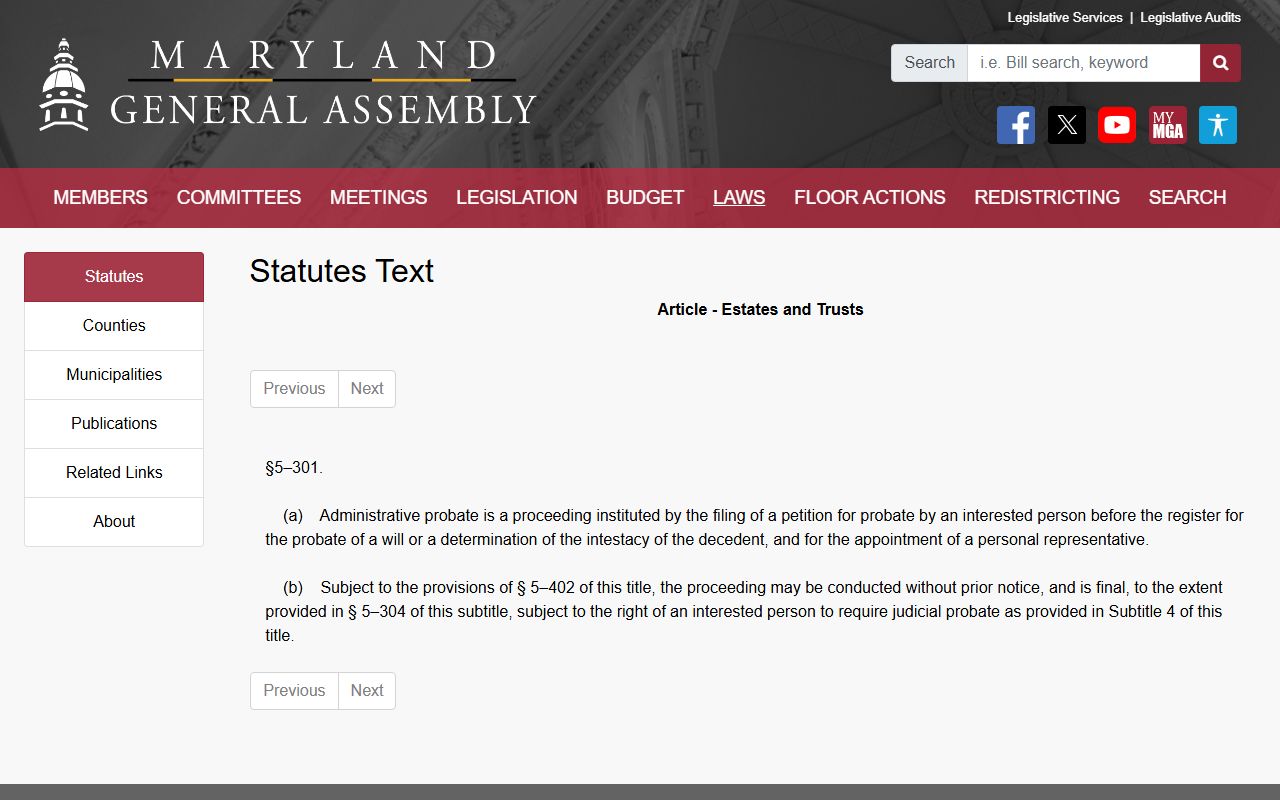
Read the small-estate rule at Estates & Trusts § 5-301. Larger estates follow the regular administration track instead.
The regular-estate statute governs estates over the small-estate limit.
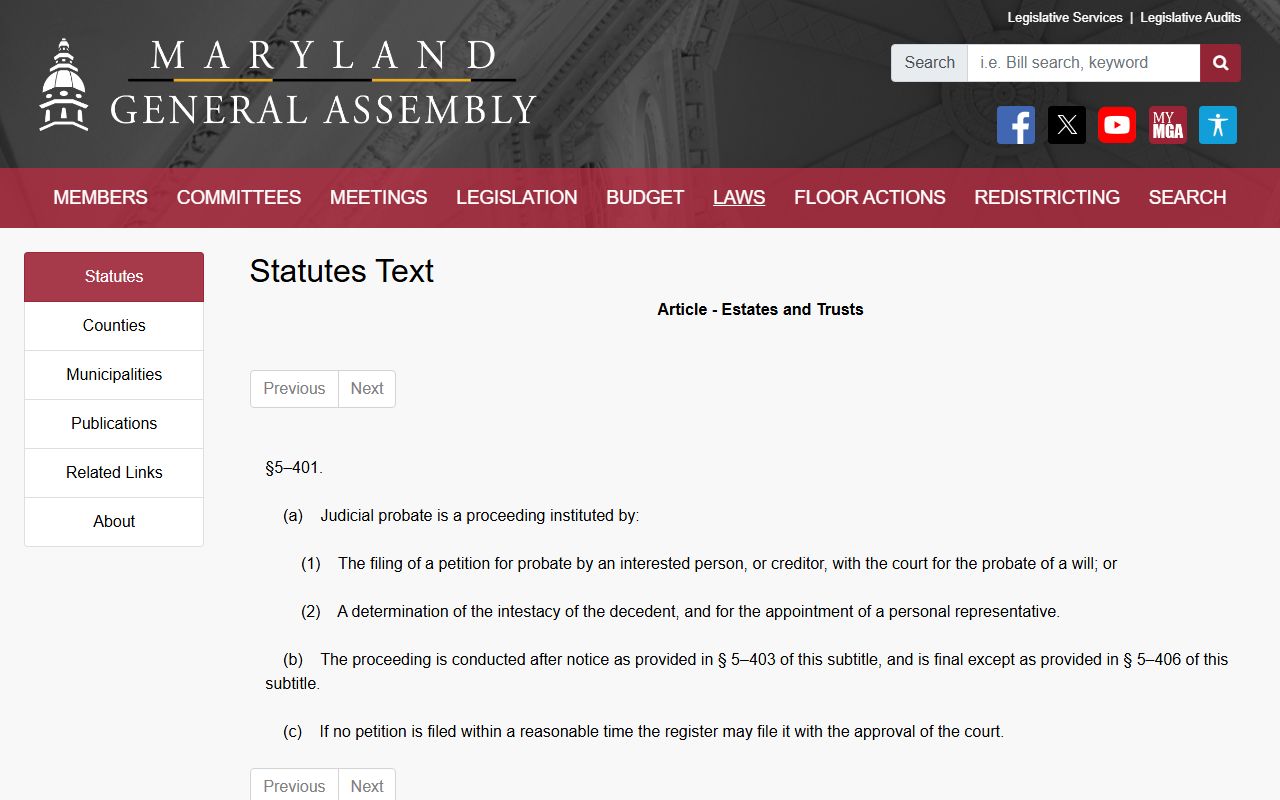
The regular-estate framework appears at Estates & Trusts § 5-401. Family matters can also reach the docket, including the court authorization a 17-year-old needs to marry.
Maryland's minor-marriage process requires a court order before a license can issue.
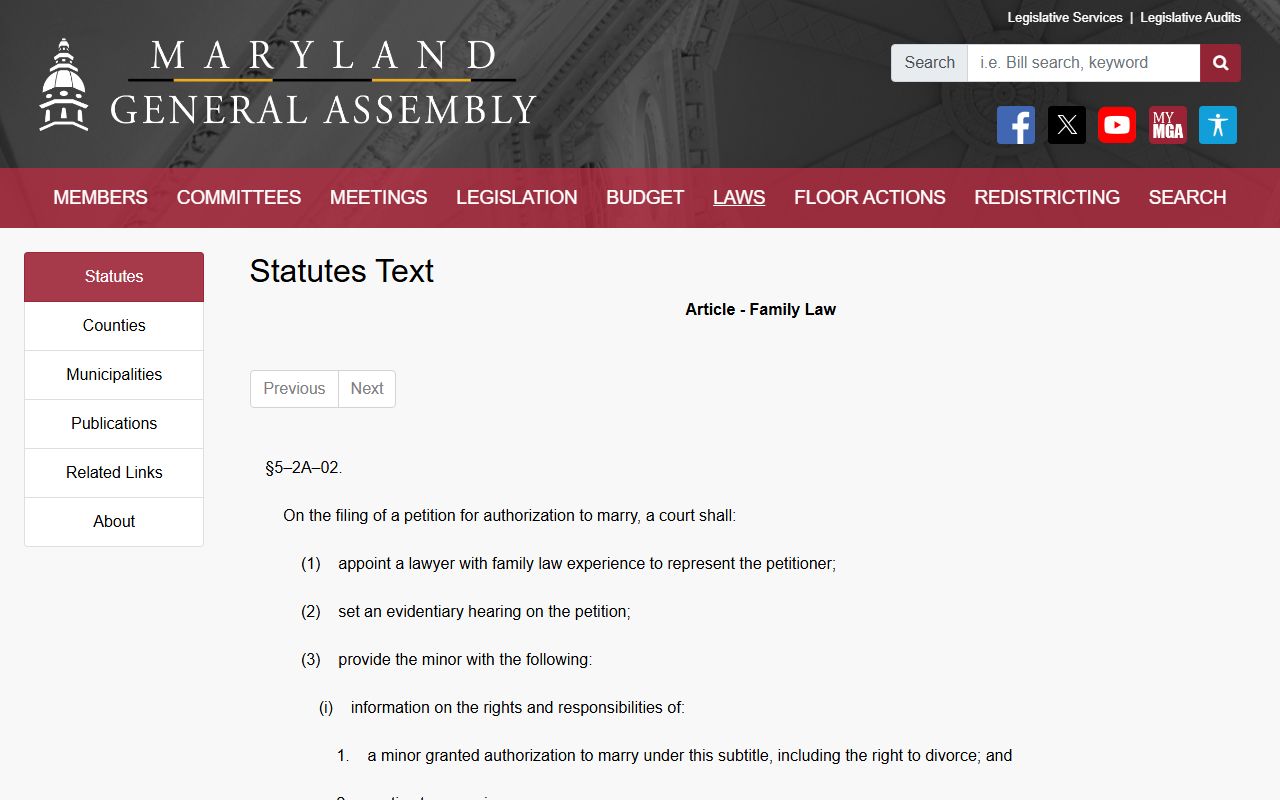
The authorization step sits in Family Law § 5-2A-02, and that court order shows as a docket event in the minor's home county.
Preparing for Your Harford County Docket Date
If your name is on a docket, plan for the hearing. Arrive early, bring your case number, and check the docket again the day before, since last-minute changes happen. People who need an interpreter or a disability accommodation should ask the court well ahead of the date.
The Maryland Judiciary runs a court language-services program for hearings.
Request an interpreter through Maryland court language services as early as you can. A missed docket date can lead to a bench warrant, so confirm the time and place before the hearing.
How to Read a Harford County Docket
Docket lines use shorthand. A few terms come up again and again. "Nolle prosequi" means the State dropped a charge. "Stet" marks a criminal case as inactive, with the option to reopen. "Disposition" is the outcome line, and it is the one most people want.
Civil dockets close with a judgment, while criminal dockets end with a verdict, plea, or dismissal. A capias or bench warrant entry shows the court ordered someone taken into custody, often for a missed date. When a line is unclear, the case number and the courthouse file settle the meaning.
Other lines come up often. A continuance moves a hearing to a later date. A satisfaction shows a judgment was paid. Garnishment marks a step to collect a money judgment from wages or accounts. A docket may also note a warrant recalled or quashed once the issue is resolved, which is a good sign for a person tracking an old case.
Why a Case May Not Appear on the Docket
An empty result does not always mean there is no case. Timing is one reason. Clerks enter events, and most post soon, but the lag varies by court. A brand-new filing may not show yet.
Access is another reason. Sealed, shielded, and expunged matters drop off the public view. Juvenile cases involving people under 18 are not public at all. Some non-conviction outcomes and older cannabis-only cases no longer appear online, though they may stay open at the courthouse. Federal and out-of-county dockets sit in other systems. When the online docket comes up short, a call to the Clerk's Office or a courthouse visit is the next step.